
Key Takeaways
- Abdominoplasty should follow weight loss, with patients maintaining a stable weight for at least 6 to 12 months before surgery to improve outcomes and protect long-term results.
- A tummy tuck removes excess skin and tightens abdominal muscles. It is not a weight loss procedure and typically removes only 5 to 10 pounds of tissue.
- Proper sequencing minimises the risk of needing revision surgery due to future weight gain or additional skin laxity.
- A board-certified plastic surgeon plays a critical role in planning your timing, especially when combining a tummy tuck with other procedures.
- With a balanced diet, consistent exercise, and medical guidance, you can maintain your results and support a smooth recovery.
Why Sequencing Matters for Tummy Tuck and Weight Loss
It’s one of the most common dilemmas patients face. The answer, supported by medical authorities and experienced plastic surgeons alike, is straightforward: lose weight first, then pursue body contouring.
The order of treatment matters because weight loss and surgery affect the body in different ways. Excess skin, excess fat, and weakened abdominal muscles each respond differently to weight loss versus surgical intervention. When you lose weight through diet and exercise, your body reduces fat stores throughout. Butloose skin often remains, especially after significant weight loss or pregnancy. A tummy tuck procedure addresses that leftover skin and repairs separated muscles, but it doesn’t change your metabolism or replace the need for a weight loss programme.
Typical timelines vary by individual, but most patients spend 6 to 18 months losing weight, then maintain a stable weight for an additional 6 to 12 months before scheduling abdominoplasty surgery. For those who have undergone bariatric surgery or experienced massive weight loss, the waiting period often extends to 12 to 18 months post-weight stabilisation.
Throughout this guide, you’ll find evidence-based guidance and medical references to help you make informed decisions. It’s important to have realistic expectations about the results of a tummy tuck, as it is not a weight loss procedure but rather a body contouring surgery designed to refine what lifestyle changes have already achieved.
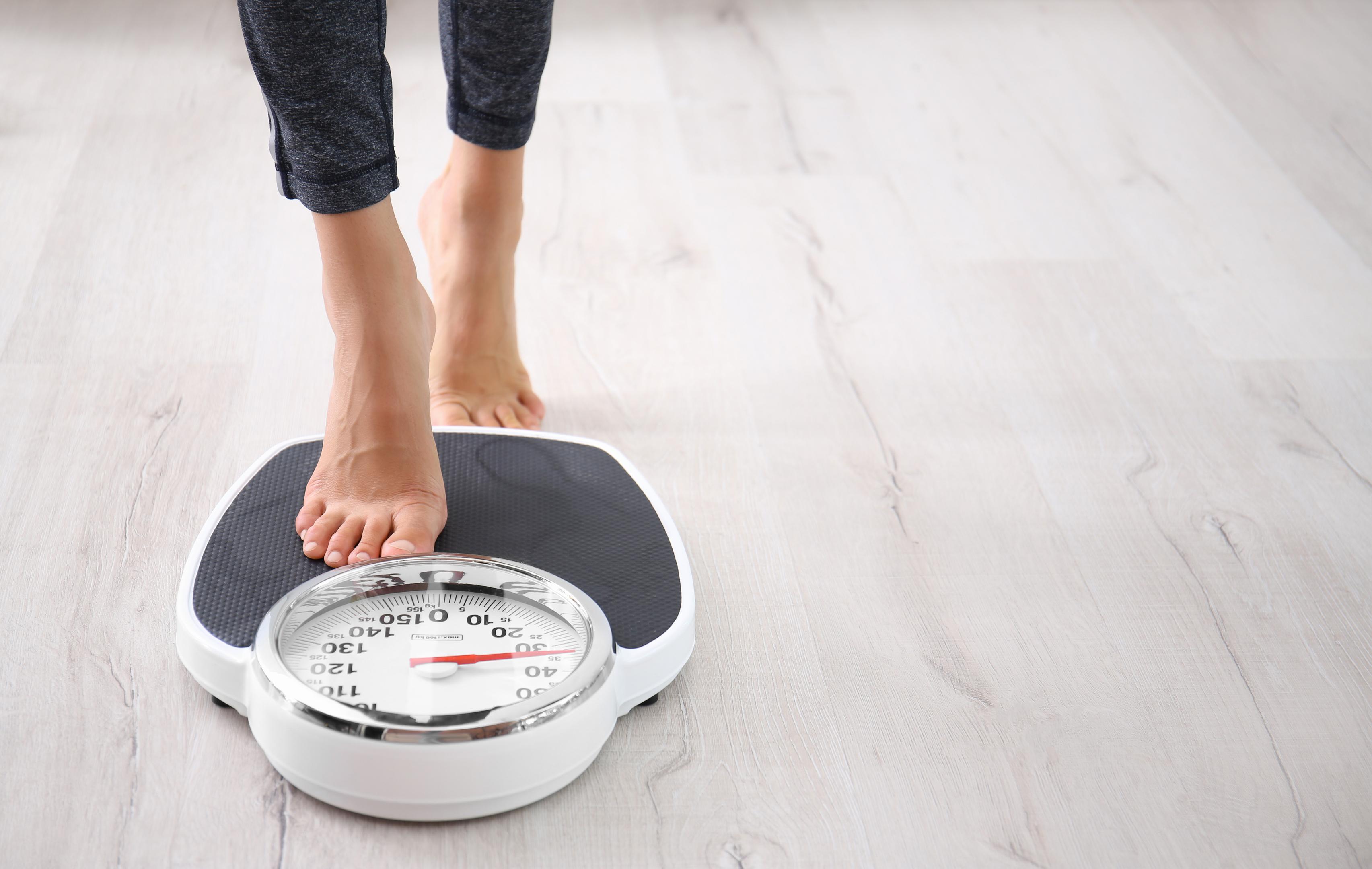
Step 1: Decide Your Primary Goal – Weight Loss vs Skin and Shape
The first decision you need to make is clear: what matters more right now is health-driven weight loss or contouring excess skin?
This is an important decision because it affects both your results and recovery. Your answer determines the order of your procedures and directly impacts your results. A tummy tuck is not primarily a weight loss procedure; it is designed to remove excess skin and fat while tightening abdominal muscles, making it ideal for individuals who have lost significant weight and are left with sagging skin.
When Weight Loss Should Come First
Consider prioritising weight loss before any cosmetic surgery if you meet any of these criteria:
| Criteria | Why It Matters |
|---|---|
| BMI ≥ 30 | Most surgeons recommend a BMI below 30 for optimal wound healing and lower complication risks during a tummy tuck |
| Planned bariatric surgery | You’ll need to complete the procedure and stabilise weight before body contouring |
| History of yo-yo dieting | Repeated weight fluctuations accelerate collagen breakdown and skin elasticity loss |
| Major planned lifestyle changes | Starting new medications (like GLP-1 agonists) or significant diet overhauls should be completed first |
| Active weight loss in progress | If you are still actively losing weight, you should wait to ensure all excess skin has developed and your body has settled before a tummy tuck |
When You Might Move Sooner to Abdominoplasty
Patients near their goal weight might consider an earlier tummy tuck consultation if they have:
- A stubborn apron of excess skin causing hygiene issues, rashes, or discomfort
- Muscle separation (diastasis recti) after pregnancies that doesn’t respond to core exercises
- Isolated lower abdomen laxity with good skin elasticity elsewhere
- Already lost their target weight and maintained stability for several months
Candidates for a tummy tuck should ideally be at or near their goal weight, as significant weight fluctuations can negatively impact the results of the surgery.
Understanding What Tummy Tuck Actually Removes
Many people hope a full tummy tuck will help them lose 20 to 50 pounds. The reality is that a typical abdominoplasty removes only about 5 to 10 pounds of tissue, primarily skin and some subcutaneous fat from below the belly button.
The procedure does not:
- Address visceral fat (the deep fat around organs)
- Alter your caloric expenditure or metabolism
- Replace the need for a healthy diet and regular exercise
Step 2: Reach and Stabilise Your Goal Weight Before Surgery
Most board certified plastic surgeons prefer patients to be within approximately 10 to 15 pounds of their realistic goal weight before undergoing abdominoplasty. Maintaining a stable weight of 10 to 15 pounds of your goal weight is important before scheduling a tummy tuck.
Why Weight Fluctuations Compromise Results
When you experience significant weight gain or further large weight loss after surgery, several problems can occur:
- New skin laxity develops as remaining fat cells expand or contract
- Muscle repair can stretch under increased intra-abdominal pressure
- Fat redistributes unevenly to areas like flanks, hips, and upper abdomen, creating contour irregularities against the newly tightened skin envelope
Maintaining a stable weight before undergoing a tummy tuck is crucial for minimizing the risk of complications and enhancing the aesthetic outcomes of the surgery.
Defining “Stable Weight” in Numbers
What does stability actually look like? Here are the practical benchmarks:
| Patient Type | Recommended Stability Period | Acceptable Fluctuation |
|---|---|---|
| Moderate weight loss (diet/exercise) | 6 months minimum | Less than 5 to 6 pounds (2 to 3 kg) |
| Major weight loss (50+ pounds) | 6 to 12 months | Less than 5 to 6 pounds |
| Post-bariatric surgery | 12 to 18 months after lowest weight | Less than 5 to 6 pounds |
You should wait until you have reached a stable target weight and maintained it for at least 6 to 12 months before planning a tummy tuck (abdominoplasty). It is often recommended to wait 12 to 18 months post-bariatric surgery to ensure weight stabilisation before a tummy tuck.
This extended waiting period for post-bariatric patients allows soft tissue contraction to occur naturally, helps surgeons assess true skin retraction potential, and ensures you’ve adapted to your new eating patterns.
Why the Wait Matters
Being closer to a healthy body mass index (BMI) lowers the risk of complications during a tummy tuck. Factors that influence skin retraction potential include:
- Age: Skin elasticity declines after age 40
- Sun damage: UV exposure degrades collagen
- Smoking history: Impairs fibroblast function and increases necrosis risk by 2 to 4 times
Before moving forward with cosmetic surgery, get medical clearance from your primary care physician. When appropriate, seek support from a dietitian or bariatric team. Post-bariatric protocols from major surgical centers recommend multidisciplinary clearance involving endocrinologists and nutritionists to ensure ongoing catabolism won’t create further skin redundancy.
Book a consultation with the Sunion Health team today, and we will help you plan your next steps with confidence
Step 3: Build a Sustainable Weight Loss Plan (Before Any Tummy Tuck)
The safest way to lose weight before a tummy tuck is through slow, medically supervised change. Rapid weight loss can result in muscle mass loss, nutritional deficiencies, and more pronounced loose skin.
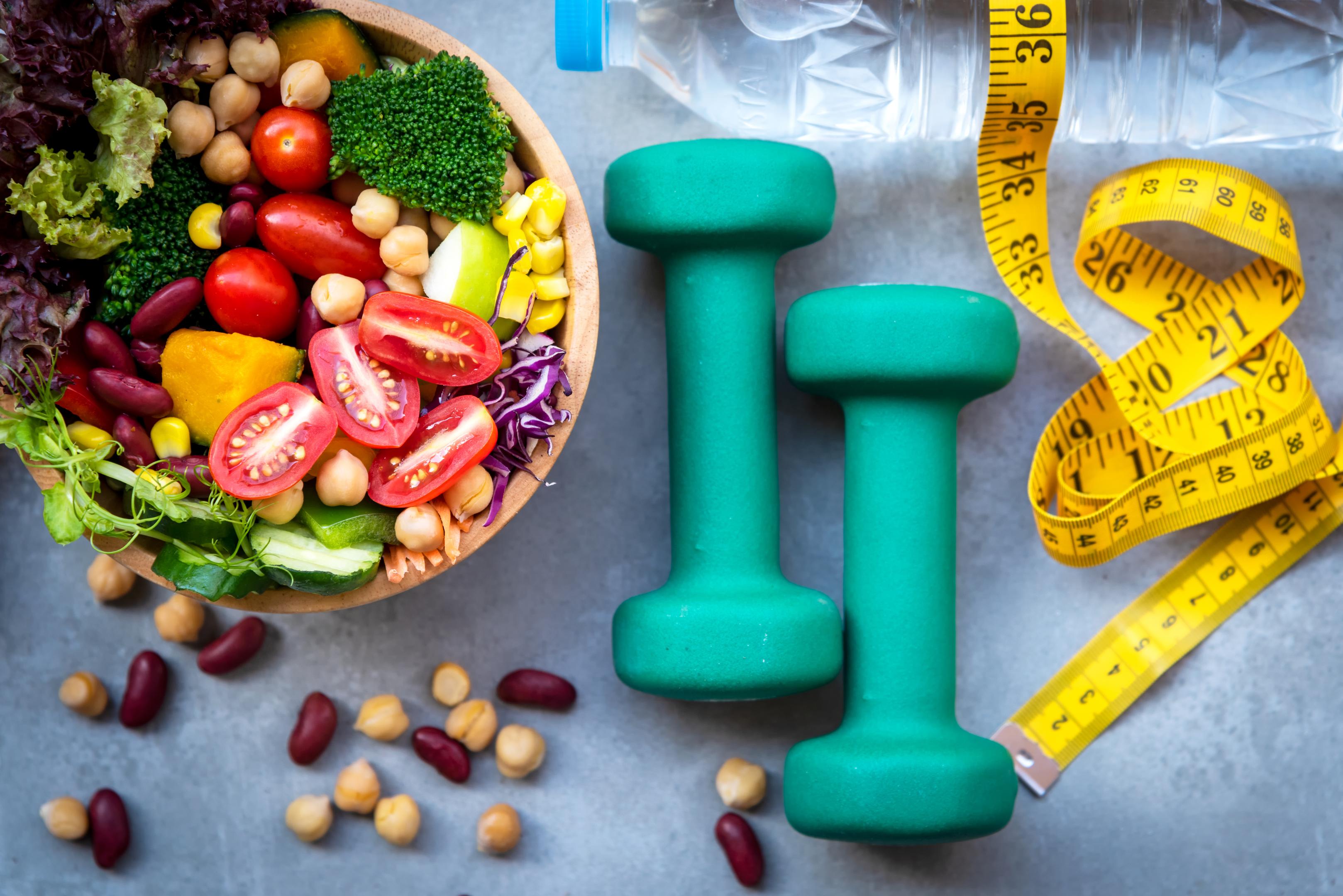
Key Elements of a Balanced Diet
A healthy diet that supports weight loss before surgery emphasizes:
- Vegetables: Aim for half your plate at each meal
- Lean protein: Chicken, fish, tofu, legumes (supports muscle preservation)
- High-fiber carbohydrates: Quinoa, oats, whole grains
- Healthy fats: Avocados, nuts, olive oil
- Minimal ultra-processed foods: Reduce packaged snacks, sugary drinks, fast food
- Limited alcohol: Alcohol adds empty calories and can impair judgment around eating habits
Preparation for a tummy tuck can include quitting smoking several weeks in advance, eating a healthy, balanced diet, and avoiding certain medications. These pre-surgical habits establish the foundation for better healing and long-term success.
Establishing a Consistent Exercise Routine
Exercise supports weight loss, improves cardiovascular workouts efficiency, and prepares your body for surgery and recovery. Guidelines from the American College of Sports Medicine suggest:
| Exercise Type | Weekly Target | Notes |
|---|---|---|
| Moderate cardio (brisk walking, cycling, swimming) | 150–300 minutes | Enhances VO2 max by 10–20% |
| Strength training | 2–3 sessions | Full-body resistance, not isolated abs |
| Flexibility/mobility | As tolerated | Supports overall health |
Building core strength before surgery can support healing, but it will not fix separated muscles. Diastasis recti requires surgical repair through muscle plication during the tummy tuck procedure.
Step 4: Confirm You Are Not Planning Major Future Weight Changes or Pregnancies
Timing your abdominoplasty surgery around major life events is critical for long-lasting results. Having an honest conversation with your surgeon about your future plans can save you from disappointment and revision surgery.
Pregnancy After Tummy Tuck
If you still plan to become pregnant, strongly consider delaying your tummy tuck. Pregnancy after abdominoplasty creates significant risks:
- 50–70% risk of diastasis recti recurrence due to intra-abdominal pressure stretching the surgically repaired fascia
- New excess skin development
- Potential need for complete revision surgery
The recommendation is clear: complete your family before undergoing abdominoplasty. The muscle repair and skin tightening achieved during surgery can be substantially compromised by weight loss or pregnancy.
Planned Weight Loss Interventions
If you’re considering:
- Bariatric surgery (gastric sleeve, bypass)
- GLP-1 agonist medications (semaglutide, tirzepatide)
- Significant lifestyle changes expected to result in >10% body weight loss
Complete these interventions first, then stabilise for 6–12 months before body contouring.
What About Future Modest Weight Gain?
Most surgeons acknowledge that modest fluctuations of 5 to 10 pounds over several years are common and usually don’t dramatically affect results when the weight is distributed evenly. However, repeated large gains and losses can cause problems. Patients with weight swings exceeding 20 pounds experience revision rates as high as 25%, compared to 10 to 15% for weight-stable patients.
Questions to Discuss at Your Tummy Tuck Consultation
- Are you planning more children?
- Do you anticipate significant job or lifestyle changes affecting your ability to maintain your weight?
- Are you considering any weight loss medications or procedures?
- What long-term habits can you commit to?
Being honest now prevents disappointment later.
Step 5: Choose the Right Type of Tummy Tuck After Weight Loss
Different abdominoplasty techniques suit different post-weight-loss bodies. The amount of weight lost, location of excess skin, and presence of muscle separation all influence which surgical procedure is most appropriate.
Main Tummy Tuck Options
| Procedure Type | Best For | Key Features |
|---|---|---|
| Mini tummy tuck | Limited loose skin below the belly button | Incision <8 cm, no umbilicoplasty, 1–2 hour OR time, ideal for 10–20 pound losses |
| Full tummy tuck | Moderate excess skin upper and lower abdomen | Hip-to-hip incision ~15–20 cm, umbilicoplasty, full muscle plication from xiphoid to pubis, suited for 30–70 pound losses |
| Extended abdominoplasty | Significant skin extending to flanks | Adds flank incisions for circumferential tightening, appropriate for 70–100 pound losses |
| Fleur-de-lis abdominoplasty | Massive weight loss (>100 pounds) | Adds vertical midline incision, removes 20–30% more tissue, higher scar burden but more comprehensive contouring |
How Muscle Repair Works
Muscle repair (plication) addresses diastasis recti, the separation of the rectus abdominis muscles common after pregnancy or significant weight changes. During the procedure, permanent sutures are placed using a double-layer imbrication technique to restore the abdominal wall. The repair has approximately 90% durability at 10 years, provided the patient maintains a BMI below 30. For further guidance on candidacy and surgical standards, the British Association of Aesthetic Plastic Surgeons provides detailed resources for patients considering cosmetic surgery in the UK.
Incision Placement and Belly Button Design
Experienced surgeons place incisions to:
- Hug existing Cesarean scars when present
- Sit low along the bikini line to minimise visible scarring
- Allow for natural-looking belly button positioning through umbilicoplasty
For patients who have experienced significant weight loss, the abdominal area often requires more extensive work to address both the lower abdomen and upper regions.
Combining with Liposuction
A board certified plastic surgeon may recommend combining tummy tuck with liposuction of the flanks or back for improved waist contour. This combination can reduce waist circumference by 5–10 cm according to 3D imaging studies, adding 30–60 minutes to OR time.
Choosing a board-certified plastic surgeon with extensive experience in tummy tuck surgery is crucial for achieving desired results and ensuring safety during the procedure. They will tailor the approach based on your specific anatomy and goals.
Step 6: When to Combine Tummy Tuck with Other Cosmetic Surgeries
Combined procedures can be efficient, offering a single anaesthesia session and one major recovery period. However, they require careful planning around time, safety, and your overall health status.
Common Combinations After Weight Loss
| Combination | Typical Candidates | Added OR Time |
|---|---|---|
| Tummy tuck + liposuction | Nearly universal for waist refinement | 30–60 minutes |
| Tummy tuck + breast augmentation | Post-pregnancy, moderate weight loss | Total 4–6 hours |
| Tummy tuck + breast lift (mastopexy) | Post-massive weight loss with breast ptosis | Total 4–6 hours |
| Tummy tuck + breast reduction | Volume and contour concerns | Total 4–6 hours |
| Tummy tuck + lower body lift | Circumferential excess skin extending to thighs | May require staging |
These combinations are often called mommy makeover procedures when addressing post-pregnancy changes, or “stage I body contouring” for post-bariatric patients.
Safety Considerations
Combined surgery is typically only offered to patients who are:
- Non-smokers (quit 4 to 6 weeks before surgery)
- At a stable weight with a BMI ideally below 30
- Free of uncontrolled medical conditions
- Demonstrating good lab results (normal CBC, CMP, coagulation studies)
- Have adequate home support for recovery
Operating times are generally limited to 6 hours for safety. Beyond this threshold, anaesthesia-related complications approximately double. If you require work on more than two body regions, your surgeon may recommend staging procedures 3 to12 months apart.
Pros and Cons of Combining Procedures
Advantages:
- Single anaesthesia exposure
- One major recovery period instead of multiple
- Cost savings (often 20 to 30% compared to staged procedures)
- Coordinated aesthetic result
Disadvantages:
- Increased surgical stress on the body
- Higher fluid shifts and slightly elevated seroma risk (+5 to 10%)
- More significant fatigue during recovery
- Potentially longer initial downtime
Meta-analyses show comparable overall complication rates (15 to 20%) between combined and solo procedures when patients are properly optimised beforehand.
Talk to our specialist and we will walk you through your options in a no-pressure consultation.
Step 7: Plan Your Recovery and Protect Your Surgical Result
How you behave in the first 3 tp 6 months after surgery has a lasting impact on your contour, scar quality, and overall satisfaction. Recovery from tummy tuck surgery typically takes around four to six weeks, with final tummy tuck results becoming visible between three to six months as swelling subsides and incisions heal.
Early Recovery Milestones
| Timeframe | What to Expect | Activity Level |
|---|---|---|
| Week 1 | Most discomfort, drain management, limited mobility | Rest at home, walk short distances to prevent blood clots, no lifting |
| Weeks 2–3 | Gradual improvement, possible drain removal (when output <30 cc/day) | Light household activities, desk work possible |
| Weeks 4–6 | Significant healing, sutures dissolving | May return to work (sedentary jobs), light walking |
| Weeks 6–8 | Clearance for moderate activity | Light cardio, swimming possible |
| Weeks 8–12 | Approaching full recovery | Gradual return to strenuous exercise |
During the first week after surgery, patients are advised to rest and avoid heavy lifting or strenuous activities, gradually increasing their activity level as they heal. Patients can typically return to work within two weeks after surgery, especially if they have a sedentary job, but may need more time for physically demanding roles.
Compression Garment Use
Wearing a compression garment for about six weeks post surgery is recommended to help reduce swelling and support the healing process. The garment:
- Applies 20 to 30 mmHg of pressure
- Reduces edema by approximately 40%
- Supports neovascularisation (new blood vessel formation)
- Helps the skin adhere to underlying tissue
Most surgeons recommend wearing it continuously (except for bathing) for the first 4 to 6 weeks.
Managing Pain and Discomfort
Modern pain protocols have significantly improved the tummy tuck recovery experience:
- TAP blocks (transversus abdominis plane blocks) provide localised numbness
- Multimodal analgesia combines acetaminophen, NSAIDs, and limited opioids
- These protocols can reduce narcotic use by approximately 70%
Pain typically peaks around days 3 to 5 post-surgery (VAS scores of 4–6/10), characterised by tightness from muscle repair rather than sharp pain. By week 4, most patients describe their sensation as discomfort rather than pain. The goal is for patients to be relatively pain free within 6–8 weeks, though individual experiences vary.
Nutrition During Recovery
Your balanced diet during recovery should focus on:
- Protein: 1.5 to 2g per kg of body weight daily to support wound healing
- Zinc and vitamin C: Essential for collagen synthesis
- Hydration: Adequate water intake to support blood flow and healing process
- Fiber: To prevent constipation (a common side effect of pain medications and reduced activity)
Use stool softeners as recommended. This is not the time for aggressive calorie restriction. Your body needs nutrients to heal properly.
Drain Management
Many tummy tuck patients have surgical drains placed to remove excess fluid from the surgical site. These typically:
- Remain in place for 1 to 3 weeks
- Are removed when output drops below 30 cc per day
- Require regular emptying and output tracking
Your surgical team will teach you how to care for drains and recognize signs of complications.
Step 8: Long-Term Maintenance – Preventing Weight Gain After Tummy Tuck
It is absolutely possible to gain weight after a tummy tuck. Taking steps to prevent this is far easier than trying to reverse the effects later.
How Weight Gain Affects Post-Surgical Results
Fluctuations in body weight, particularly gaining more than ten pounds, can significantly alter the results of a tummy tuck, potentially negating the improvements made during the procedure.
Here’s what happens when you gain weight after abdominoplasty:
- Remaining fat cells in untreated areas (hips, thighs, back, upper abdomen) expand
- The tightened abdominal area has fewer fat cells and less accommodation, creating uneven bulges
- New loose skin can develop if gains are substantial
- Muscle repair may stretch under increased intra-abdominal pressure
Studies show that approximately 30% of tummy tuck patients gain more than 10% of their body weight by 5 years post-surgery. This underscores the importance of maintaining a stable weight after a tummy tuck, as significant weight fluctuations can negatively impact the results of the surgery, leading to sagging skin or altered body contours.
Strategies for Long-Term Weight Maintenance
| Strategy | Implementation |
|---|---|
| Regular weigh-ins | Weekly check-ins to catch trends early |
| Food and activity tracking | Especially during stressful periods when eating habits tend to slip |
| Follow-up with healthcare providers | GP or nutritionist check-ins quarterly or as needed |
| Maintain exercise routine | Continue cardiovascular workouts and strength training |
| Recognize emotional eating patterns | Consider CBT or counseling for stress-related eating |
Maintaining your results comes down to consistency with eating habits, activity levels, and routine check-ins. The healthy lifestyle habits that helped you reach your goal weight are the same ones that protect your surgical investment.
Does Abdominoplasty Help with Weight Control?
Studies have shown that individuals may experience long-term weight loss after a tummy tuck, potentially due to changes in the neuroendocrine system and increased motivation to maintain a healthy lifestyle post-surgery. Some longitudinal research notes sustained BMI reductions of 1 to 2 points at 5 years when surgery is paired with lifestyle coaching.
However, this modest metabolic benefit cannot replace the fundamentals of regular exercise, a healthy diet, and mindful eating habits. Think of any weight control benefit as a bonus, not a guarantee.
Schedule Follow-Up Appointments
Plan for annual or bi-annual check-ups with your plastic surgeon to:
- Monitor scar maturation (scars continue to fade for 12 to 18 months)
- Assess body contour and discuss any concerns
- Address early signs of weight-related changes before they become severe
Early intervention is always easier than revision surgery.
Who Is (and Is Not) a Good Candidate for Weight-Loss-First Sequencing?
Most candidates should lose weight first, but exceptions exist that an experienced plastic surgeon can help identify.
Ideal Candidates
The best candidates for tummy tuck after completing weight loss are:
- Non-smokers (or those who have quit 4–6 weeks prior)
- Medically stable with well-controlled chronic conditions
- Within 5 to 10 pounds of goal weight with stable body weight for 6+ months
- Presenting with persistent excess skin unresponsive to diet and exercise
- Having possible diastasis recti from weight loss or pregnancy
- Demonstrating good skin elasticity overall
- BMI ideally below 30 for optimal wound healing
Special Cases for Earlier Surgery
Some patients may be considered for earlier abdominoplasty even if some weight loss is still planned:
- Disabling rashes (intertrigo) from a large skin apron
- Chronic infections in skin folds
- Severe hygiene problems affecting quality of life
- Functional limitations preventing exercise needed for further weight loss
These medically necessary situations may qualify for partial insurance coverage in some regions, though insurance usually does not cover tummy tuck procedures, as they are considered cosmetic rather than medically necessary.
When Surgery May Be Postponed or Declined
| Contraindication | Why It Matters |
|---|---|
| BMI >35 | Infection risk approximately 3x higher |
| Uncontrolled diabetes (HbA1c >7%) | Impaired wound healing |
| Active smoking | 2 to 4x increased necrosis risk |
| Inability to commit to recovery restrictions | Compromises results and safety |
| Planned pregnancy | Surgery would likely need revision |
How to Choose a Board Certified Plastic Surgeon for Post-Weight-Loss Tummy Tuck
Credentials to Verify
| Credential | Why It Matters |
|---|---|
| Board certification (ABPS) | Verifiable at asps.org, ensures rigorous training |
| Hospital privileges | Indicates peer review and safety standards |
| ASPS/ASAPS membership | Professional society participation |
| Accredited surgical facility | Meets safety and equipment standards |
Reviewing Before-and-After Photos
When examining a surgeon’s portfolio:
- Look for patients who resemble your starting body type and goal weight
- Pay attention to scar position (should be low and easily concealed)
- Assess belly button appearance (natural shape, not high-riding or pulled)
- Evaluate overall symmetry and proportion
- Look for photos taken 6 to 12 months post-surgery (scars mature over time)
High-riding belly buttons often signal overtightening, which can indicate technique issues.
What to Assess During Your In-Person Consultation
The initial consultation reveals much about your potential surgical experience:
- Communication style: Does the surgeon explain things clearly without being condescending?
- Sequencing rationale: Do they insist on appropriate weight stability, or are they willing to operate prematurely?
- Risk discussion: Do they provide specific statistics (infection rates, revision rates)?
- Patient education: Do they offer written materials or medical references?
An experienced plastic surgeon who has performed countless tummy tuck procedures will take time to understand your history, goals, and concerns before making recommendations.
Seek Second Opinions When Needed
If recommendations about timing or safety dramatically differ from what you’ve read or been told elsewhere, seek at least one additional consultation. Variation in surgical approach is normal, but significant discrepancies in safety recommendations warrant clarification.
Frequently Asked Questions
Can I have a tummy tuck to help me lose weight faster?
A tummy tuck is a body contouring procedure that removes excess skin and some fat, but it does not change metabolism or replace a weight loss programme. The surgical process typically removes only 5 to 10 pounds of tissue, primarily skin and subcutaneous fat from the abdominal area.
Reputable plastic surgeons avoid using abdominoplasty as a “kick-start” for major weight loss. They understand that the desired outcomes of a tummy tuck depend on patients already being near their goal weight. Safe, supervised weight loss through a balanced diet and consistent exercise routine should come before considering the surgical procedure.
While some studies suggest modest long-term metabolic benefits, these cannot replace the fundamentals of a healthy lifestyle. The primary purpose remains removing loose skin and repairing the abdominal wall, not treating obesity.
How long after reaching my goal weight should I wait before tummy tuck surgery?
The recommended waiting period depends on your weight loss method:
- Moderate weight loss (diet/exercise): At least 6 months of stable weight
- Major weight loss (50+ pounds): 6 to 12 months of stability
- Post-bariatric surgery: 12 to 18 months after reaching lowest weight
This waiting period allows skin and soft tissues to “settle,” making it easier to judge how much excess skin needs to be removed and what technique is most appropriate. Individual factors like age, skin quality from sun exposure or stretch marks, and overall health may change the recommended timing.
Discuss your specific timeline at your tummy tuck consultation. An experienced surgeon will assess your tissue quality, remaining skin elasticity, and medical history to personalise recommendations.
What if I gain weight after my tummy tuck – will I ruin my results?
Small weight fluctuations of up to 5 to 10 pounds usually do not destroy results if the weight is distributed evenly throughout your body. However, larger or repeated gains can stretch the repaired abdominal muscles and create new loose skin.
Weight gain after surgery often redistributes to untreated areas such as hips, back, or thighs. Because the tightened abdominal area has fewer fat cells post-surgery, you may notice uneven bulging that alters your body shape differently than before the cosmetic procedure.
If you notice persistent significant weight gain, contact your surgeon early. They can provide support, discuss options, and help you address changes before contour alterations become severe or require revision surgery.
Is it safe to combine a tummy tuck with breast augmentation after weight loss?
Many healthy patients safely undergo combined tummy tuck and breast augmentation or breast lift, especially after pregnancies or a significant amount of weight loss. These combinations allow for comprehensive body contouring during a single recovery period.
Surgeons will evaluate:
- Total operative time (typically limited to 6 hours)
- Your medical history and overall health status
- Home support availability during recovery
- Lab results and nutritional status
Recovery from combined procedures typically adds about one week to the standard timeline. Ask specifically about activity restrictions and how combined procedures might affect childcare, work, or other responsibilities.
If your surgeon recommends staging procedures 3 to 12 months apart, this is typically for safety reasons rather than convenience.
Do I need medical references or a letter from my doctor before seeing a plastic surgeon?
Most plastic surgery clinics do not require a formal referral for a cosmetic consultation. However, a summary from your primary care doctor can be extremely helpful, especially for complex medical histories.
If you have conditions like diabetes, heart disease, or have experienced significant weight loss through bariatric surgery, bring:
- Recent lab results (CBC, comprehensive metabolic panel, HbA1c if diabetic)
- Complete medication list
- Summary of medical history and past surgeries
- Documentation of weight loss timeline
Some insurers or healthcare systems may require a referral or documentation, particularly if functional problems like chronic rashes from excess skin are being considered for partial coverage.
Even when not required, medical records help your surgeon make the safest recommendations and plan the most appropriate surgical approach for your individual situation.
Your next step? Schedule a consultation with a qualified plastic surgeon who has extensive experience with post-weight-loss patients. Bring your questions, your medical history, and your goals. An honest conversation about timing, technique, and long-term maintenance will set you up for success.


